
Breaking News
Growing crisis of illegal number plates
LAZA / DTIC Number Plate Industry Meeting 15 July 2026 · 10:00 – 13:30
Meeting notes
- Sector-Wide Non-Compliance and Regulatory Challenges: Amos, representing the Department of Trade, Industry and Competition (DTIC), led a discussion with stakeholders including Laza (License Plate Association of South Africa), SABS, provincial transport departments, and number plate manufacturers on the persistent issue of non-compliance in the number plate sector, highlighting regulatory gaps, enforcement challenges, and the prevalence of illegal operators.
- Nature of Non-Compliance: Amos explained that the sector suffers from widespread non-compliance, with some embossers and manufacturers operating without proper SABS certification, provincial registration, or tax clearance, resulting in unfair competition and undermining the regulatory framework.
- Historical Context: The issue of non-compliance has persisted since 1996, with previous attempts at reform and enforcement failing to resolve the problem, leading to ongoing meetings and discussions among stakeholders.
- Stakeholder Concerns: Laza and James, as key stakeholders, emphasized the impact of non-compliance on lawful businesses, public safety, and the integrity of the vehicle identification system, calling for urgent regulatory reform and equal enforcement.
- Provincial Variations: Different provinces, such as Gauteng, Eastern Cape, and KwaZulu-Natal, are at varying stages of implementing compliance and enforcement measures, with some provinces facing administrative delays and Gauteng Province having instituted a moratorium on new registrations.
- Clarification of Certification and Registration Requirements: Amos and SABS representatives, including Tsholofelo and Mmolotsane, clarified that only SABS certification is valid for number plate embossers, and outlined the necessary steps for legal operation namely the regulatory requirements the entity must comply with:
- It must be registered with the Provincial MECs,
- Certificated by the SABS,
- Registered with the CIPC and
- Have a valid Tax Clearance.
- Addressing confusion around alternative certificates such as DGD, Amos explained that in two previous meeting with Stakeholders also DoT in attendance, DoT explained that in 2014, DGD took the matter to Competition Commission, and they were told to be operating in contravention of the Regulation and told to stop it. Therefore, the certificate by DGD is not acceptable for the purpose of Number Plate registration in the provinces.
- SABS Certification as Sole Requirement: Amos and SABS confirmed that, as per the regulation, only SABS certification is recognized for legal operation in the number plate sector; certificates from DGD or any other entities are not valid for compliance in this Sector.
- Registration Process: To operate legally, embossers must obtain SABS certification, register with the relevant provincial department, and ensure company registration with CIPC and valid tax clearance.
- Moratoriums and Administrative Delays: In Gauteng, a moratorium on new applications was imposed in June 2023, preventing SABS from processing new certifications until the provincial department lifts the restriction; other providences are undergoing some administrative delays.
- Transition from Plastic to Metal Plates: KwaZulu-Natal announced a transition to metal number plates starting December 2026, with a five-year window for conversion, and clarified that conversion from plastic to metal permits will be free, except for possible administrative fees.
- Proposed Solutions and Enforcement Timelines: Stakeholders, led by Amos, discussed and debated possible solutions to sector non-compliance, including strict enforcement of regulatory requirements, timelines for compliance, and the need for coordinated action among DTIC, SABS, provincial departments, and industry associations.
- Implementation of Regulatory Requirements: The meeting agreed that all regulatory requirements—SABS certification, provincial registration, CIPC registration, and tax clearance—must be strictly enforced, with Blankers (manufacturers) only supplying compliant embossers.
- Enforcement Deadlines: Eastern Cape committed to full enforcement by April 2027, while other provinces are expected to resolve administrative backlogs and begin enforcement by the end of 2026; a six-month grace period was proposed for transition, subject to a DoT ministerial approval.
- Role of DTIC and Ministerial Oversight: Amos committed to submitting a summary of meeting outcomes and recommendations to the dtic Minister, proposing the dtic Minister to communicate it to the Minister of Transport, who will determine the final compliance timeline and issue necessary directives to provinces as per their determination.
- Stakeholder Follow-Up and Communication: Participants were instructed to direct unresolved administrative or certification issues to SABS and various Provinces and to copy Amos for follow-up; further meetings and provincial consultations were recommended to address outstanding concerns.
- Industry Feedback and Impact on Businesses: Numerous embossers and manufacturers, including representatives from Limpopo, Gauteng, and other provinces, shared their experiences with administrative delays, lack of communication, and the financial and operational impact of regulatory uncertainty, requesting clear timelines and fair transitional arrangements.
- Challenges for New Entrants and Existing Businesses: Several participants described difficulties in obtaining SABS certification due to administrative bottlenecks, moratoriums by Gauteng Provincial MEC, and lack of guidance, resulting in business disruptions and inability to operate legally.
- Requests for Grace Periods: Embossers using DGD certification, particularly in Limpopo, requested a grace period (suggested six to twelve months) to transition to SABS compliance, citing lack of prior communication and significant costs.
- Calls for National Coordination: Stakeholders urged the DTIC and Department of Transport to coordinate a national approach, harmonize provincial processes, and ensure all industry participants are informed and supported during the transition.
- Impact on Employment and Livelihoods: Participants highlighted the risk of job losses and business closures if compliance is enforced without adequate transition support, emphasizing the need for practical timelines and administrative efficiency.
- Future Actions and Meeting Outcomes: The meeting concluded with commitments from Amos to escalate unresolved issues to the Minister of Transport through the Minister of the dtc, share meeting outcomes with all participants, and support the recommendation of a six-month transition period for compliance, with further follow-up meetings to monitor progress.
- Escalation to Minister of Transport: Amos will prepare a submission summarizing the sector’s challenges and recommendations, through the Minister of the dtic requesting ministerial intervention to resolve provincial registration delays and clarify compliance timelines.
- Distribution of Meeting Outcomes: All participants will receive a summary of the meeting, including action items, timelines, and points of contact for further queries or administrative follow-up.
- Recommendation for Six-Month Grace Period: A six-month grace period for DGD-certified embossers to transition to SABS compliance was proposed, with the final decision resting with the Minister of Transport.
- Commitment to Ongoing Engagement: Stakeholders agreed on the need for continued engagement, including possible province-specific meetings and a follow-up session in three months to review progress and address outstanding issues.
Follow-up tasks
- Provincial Registration Bottlenecks: Prepare and submit a formal report to the Minister of the dtic detailing the challenges and delays in provincial registration processes, requesting the DoT intervention and a clear directive on timelines for resolution through the dtic Minister . (Amos)
- Communication of Meeting Outcomes: Share the meeting minutes, executive summary, and any follow-up directives with all attendees and relevant stakeholders to ensure everyone is informed of next steps and decisions. (Amos)
- SABS Certification Application Issues: Follow up with SABS regarding outstanding certification applications and unresolved payments, ensuring applicants receive feedback and resolution, and request that all related correspondence be copied to Amos. (SABS, Amos)
- Clarification on Provincial Registration Process: Collect and forward all queries regarding Provincial registration issues to the relevant provincial department and ensure responses are provided to affected parties. (Amos)
- Timeline for Compliance Transition: Draft a recommendation to the Minister of Transport through the Minister of the dtic proposing a six-month grace period for DGD-certified embossers to transition to SABS certification and communicate that process to all stakeholders once processed. (Amos)
- Stakeholder Follow-Up Meeting: Schedule a follow-up stakeholder meeting in approximately three months to provide updates on progress, address unresolved issues, and review the status of compliance and registration processes. (Amos)
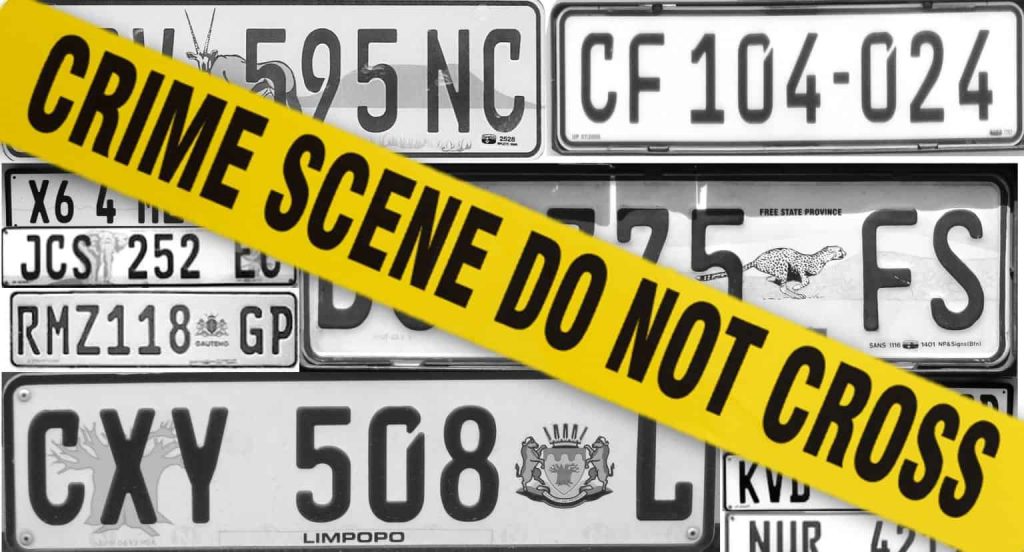
AfriForum doen beroep op regering om kriminaliteit in nommerplaatbedryf vas te vat
AfriForum doen ’n beroep op relevante regeringsdepartemente om die grootskaalse kriminaliteit wat in die nommerplaatbedryf blootgelê is, vas te vat. Dit volg ná verskeie onlangse mediaberigte oor nommerplaathandelaars wat nommerplate uitreik sonder dat enige voertuigregistrasie getoon word, en die groot aantal vervalste en gekloonde nommerplate wat deur die Suid-Afrikaanse Polisiediens (SAPD) en privaat sekuriteit waargeneem word.
Dié onthullings kom boonop te midde van die Mededingingstribunaal se vervolging van drie nommerplaatvervaardigers. Die vervaardigers het volgens die Mededingingskommissie ’n “kartel” gevorm.
AfriForum voer aan dat die gebrekkige wetstoepassing in die nommerplaatbedryf misdadigers in staat stel om talle oortredings te pleeg én daarmee weg te kom. Die organisasie hou daarom vol dat die nasionale en provinsiale vervoerdepartemente, die Departement van Handel, Nywerheid en Mededinging, sowel as die Suid-Afrikaanse Buro van Standaarde (SABS), se wetstoepassing dringend verskerp moet word om hierdie misdrywe die hoof te bied.
AfriForum dring onder meer aan op die volgende stappe:
- Die Mededingingstribunaal se vervolging van die drie nommerplaatvervaardigers moet so gou moontlik afgehandel word en skuldige partye moet gepaste gevolge dra.
- Die SABS en provinsiale departemente van Vervoer moet dringend nommerplaathandelaars se uitstaande registrasie-aansoeke afhandel. Registrasie-hernuwings moet ook meer doeltreffend geskied.
- Nommerplaathandelaars wat versuim om te registreer, moet gesluit word, en vervaardigers wat blanko-plate aan ongeregistreerde handelaars voorsien, moet vervolg word.
- Onwettige nommerplaatvervaardigers moet vervolg word en toerusting moet gekonfiskeer word waar nodig.
- Indien wetstoepassing suksesvol geskied, moet nuwe tegnologie bekend gestel word om verdere vervalsing van nommerplate te verhinder.
Die Gautengse Departement van Paaie en Vervoer het onlangs bekend gemaak dat die provinsie se projek om nuwe nommerplate bekend te stel, op ys geplaas is. Dit volg nadat AfriForum daarop aangedring het dat die proses eers, hangende die vervolging van geïdentifiseerde nommerplaatvervaardigers, gestaak word.
Volgens Louis Boshoff, AfriForum-woordvoerder, is daar uiteindelik, met die tydelike opskorting van die implementering van ’n nuwe nommerplaatstelsel in die provinsie, die regte besluit geneem. Hy hou vol dat dit dien as bewys dat openbare druk vrugte kan afwerp. “AfriForum, ander burgerlike groepe en verskeie wetsgehoorsame rolspelers in die nommerplaatbedryf het al maande lank gewaarsku dat onwettige aktiwiteit hoogty vier in die nommerplaatbedryf,” verduidelik Boshoff. “Dit is tyd dat die relevante ministers en regeringsdepartemente begin ag slaan op dié waarskuwings.”
AfriForum bly in gesprek met regeringsdepartemente en rolspelers in die bedryf.
Cape Town cracks down on flashy cars with fake plates Recent arrests point to drivers suspected of links to organized crime
Tactics of vehicle smuggling syndicates: How false plates and gravel roads facilitate crime
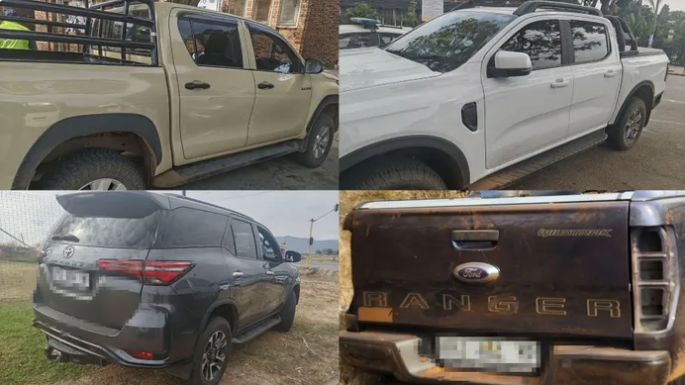
The successful recovery of four high-value vehicles in Mpumalanga last weekend has shed light on the strategic routes used by cross-border syndicates to move stolen assets out of the country.
While the N4 corridor — where law enforcement and private security partners intercepted these vehicles — remains a primary route into Mozambique, security analysts warn that the battle against vehicle trafficking extends far beyond these major highways.
The coordinated sweep was conducted by the White River Flying Squad, Provincial Anti-Hijacking Task Team (Ehlanzeni), Tonga Visible Policing (VISPOL), and Tracker Recoveries.
Mpumalanga police spokesperson Captain Mpho Nonyane-Mpe said that on Sunday, a Toyota Hilux, stolen in the Brits policing area (in early July) and fitted with false registration plates and transmitting a tracker signal on the N4, was intercepted, leading to the arrest of a 39-year-old foreign national.
Shortly after, a white Ford Ranger, hijacked in the Ivory Park policing area (in early July) and also bearing false plates, was travelling from Gauteng along the N4 towards Mbombela. The vehicle was intercepted before Sudwala, resulting in the arrest of a 29-year-old driver.
Nonyane-Mpe said that after an interview with a suspect, investigators learned that a third vehicle linked to the group was travelling towards Matsulu.
A Toyota Fortuner reported stolen in Vanderbijlpark (in early July) and fitted with false Mpumalanga registration plates was traced, and its 35-year-old driver was arrested.
In a separate incident on Saturday, police discovered an abandoned black Ford Ranger, fitted with Mpumalanga registration plates, on a farm. The vehicle had been travelling towards the Mozambique border.
While the vehicle was not reported stolen upon recovery, police are investigating to locate the owner and determine the circumstances of its abandonment.
The arrested suspects were detained and face charges of possession of suspected stolen motor vehicles.
Police investigations are ongoing to determine if the suspects are connected to a broader syndicate involved in further vehicle thefts and hijackings.
In light of these recoveries, the Fidelity Services Group stated that various routes are used to traffic stolen and hijacked vehicles into neighbouring countries.
“The N4 corridor into Mozambique remains one of the primary routes exploited by criminal syndicates for the illicit movement of stolen vehicles. Other prominent routes include the N1 into Zimbabwe and the N4 toward Botswana,” the group explained.
“In addition to these major transport corridors, criminals also make use of numerous secondary roads and informal routes to facilitate the illegal export of stolen vehicles.”
With the interception of the vehicles, the group highlighted a consistent demand in illicit markets across several neighbouring countries for vehicles with strong off-road capabilities, mainly due to the poor condition of road infrastructure in many of these regions.
“As a result, these vehicles are frequently targeted by criminal syndicates involved in vehicle theft, hijacking, and cross-border trafficking,” the group said.
It said that vehicle theft and hijacking syndicates typically target vehicles that have already been identified to meet a specific market demand.
“In many cases, preparations are made before the theft or hijacking takes place, with cloned registration plates already produced and ready to be fitted to the stolen vehicle to facilitate its movement and reduce the risk of detection,” the group said.
Asked whether syndicates infiltrate border control officials to facilitate movement, the security solutions provider said that there is no official data available to quantify the extent of corruption at border posts.
“While corruption may occur in some instances, criminal syndicates also frequently avoid formal border crossings altogether by using informal crossing points and secondary gravel roads to move stolen vehicles into neighbouring countries,” the group explained.
It added that owners of highly targeted 4×4 models can install a professionally monitored vehicle tracking device from a reputable provider, such as Fidelity Services Group’s SecureDrive, which is one of the most effective measures motorists can take to improve the likelihood of recovering a stolen or hijacked vehicle.
“A quality tracking and recovery solution, combined with rapid response capabilities, significantly increases the chances of locating and recovering the vehicle quickly,” the group said.
thobeka.ngema@inl.co.za

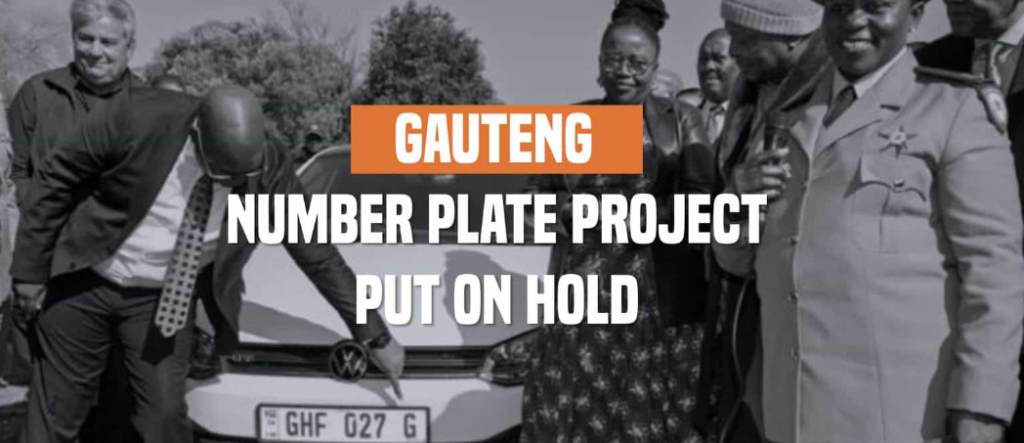
AfriForum welcomes decision to put Gauteng number plate project on hold
AfriForum welcomes the Gauteng Department of Roads and Transport’s decision to put the province’s new number plate system on hold. This plan would have forced owners of the province’s more than 5 million registered vehicles to acquire new number plates. AfriForum has threatened legal action if the department proceeds with the implementation of the system before the prosecution of the so-called number plate cartel has been concluded.
According to media reports Kedibone Diale-Tlabela, the Member of the Executive Council (MEC) for Roads and Transport in Gauteng, made the announcement during her department’s 2026/2027 budget vote on Thursday. Diale-Tlabela claims that the number plate project has been put on hold after “several system limitations” were identified during the pilot project that require “further technical improvements.” She further said that the project will only resume once the limitations have been addressed and the necessary national legislative and regulatory processes have been finalised.
This sudden U-turn in the implementation of the number plate project comes after it was launched in June 2025 when the new number plates were fitted to 300 of the province’s fleet vehicles. Initially, the project was supposed to expand to all private vehicles in the province within six months.
However, towards the end of May this year, in a lawyer’s letter to the department and the office of the Premier, Panyaza Lesufi, AfriForum insisted that the project be put on hold pending the Competition Tribunal’s prosecution of three number plate manufacturers. The Competition Commission announced in March of this year that a cartel of blank number plate manufacturers has been active in the province since at least June 2023 and has been illegally fixing prices. The commission’s findings on price fixing between manufacturers have since been referred to the tribunal for prosecution.
In its letter to the department and Lesufi, AfriForum warned that it would bring a court application against the department if the demand to stop the project was not met.
Louis Boshoff, AfriForum Spokesperson, welcomes the department’s decision to halt the implementation of the project. He warns that the department would put vehicle owners in an unavoidable pinch with the implementation of the new number plates. “AfriForum has repeatedly pointed out the risks of the situation. Forcing vehicle owners to pay for new number plates, while the so-called number plate cartel would be lining their pockets and prosecution of those involved is still ongoing, would simply be irresponsible. As long as the case is still pending, there can be no certainty that new number plates will be provided at fair prices,” explains Boshoff.
No new number plates while ‘cartel’ court case is pending
AfriForum warns against forcing five million motorists to pay for plates while prosecution of so-called cartel remains pending.
AfriForum has threatened legal action if the Gauteng department of transport proceeds with the implementation of a new number plate system – although it did an apparent U-turn to halt the system.
AfriForum spokesperson Louis Boshoff said the project can’t continue before the prosecution of the so-called number plate cartel has been concluded.
AfriForum threatens legal action over costs
The department claimed to have halted the implementation of the project, which would have forced owners of the province’s more than five million registered vehicles to acquire new number plates.
“According to media reports, Kedibone Diale-Tlabela, MEC for roads and transport in Gauteng, claims the number plate project has been put on hold after several system limitations were identified during the pilot project,” Boshoff said.
“She reportedly said the project will only resume once the limitations have been addressed and the necessary national legislative and regulatory processes have been finalised.
“This sudden U-turn in the implementation of the project comes after it was launched in June last year, when the new number plates were fitted to 300 of the province’s fleet vehicles. Initially, the project was supposed to expand to all private vehicles in the province within six months,” Boshoff said.
“AfriForum has repeatedly pointed out the risks. Forcing vehicle owners to pay for new number plates, while the so-called number plate cartel would be lining their pockets and prosecution of those involved is still ongoing, would simply be irresponsible.
AfriForum repeatedly pointed out risks
“As long as the case is still pending, there can be no certainty that new number plates will be provided at fair prices.”
Boshoff warned the department would put vehicle owners in an unavoidable pinch with the implementation of the new number plates.
Automobile Association of South Africa CEO Bobby Ramagwede said Gauteng and South Africa don’t need number plate reforms.
“The South African mobility ecosystem has significant failure points that the department should be prioritising.”
Instead of revenue-generating initiatives, it should focus on fixing road infrastructure, improving the safety and roadworthiness of vehicles and making mobility more equitable, accessible and affordable, Ramagwede said.
AA say reforms ignore failing roads and policing
“The consumer is under immense economic pressure, much of which is due to government action and inaction.”
DA Gauteng leader Solly Msimanga said Gauteng premier Panyaza Lesufi’s recent introduction of a pilot scheme to replace existing licence plates and introduce a new registration system was cause for concern.
“Licence plate cloning is not a new phenomenon and is not unique to Gauteng. It is an international problem wherever vehicle identification is tied to accountability. South Africa’s particular weakness comes from systemic weaknesses within the licensing system, insufficient coordination between departments and a largely inefficient police force,” Msimanga said.
“All the new technology available will not cure Gauteng’s underlying sickness: Saps’ inability to robustly prevent or investigate crime. The service needs to be better equipped, trained and managed.
“Investigators need the latest forensic and digital tools to assist in conviction rates and decrease the current culture of impunity.
Premier silent on tender winner and manufacturing costs
“With all these issues being tackled, petty and opportunistic crime, including licence plate cloning, would start to decline.”
Msimanga said Lesufi needs to tell the public why he has not disclosed who had been awarded the tender for this project and how much the pilot stage and the proposed implementation of the new vehicle registration system are costing.
“The premier reportedly wants seven million plates manufactured. Who is going to profit from this?
“Gauteng’s residents cannot afford to stretch their budgets any further. They have not been told how much it is going to cost them, or when they will have to buy new plates,” Msimanga said.
Carte Blanche coming up: Cloned number plates Carte Blanche investigates the booming trade in cloned number plates across South Africa, exposing dealers who sell fake plates that can be used to evade fines.

The Sunday, 21 June episode of Carte Blanche uncovers a growing problem on South Africa’s roads, where thousands of cloned number plates are being used on vehicles across the country.
These fake licence plates are often linked to criminal activity, from helping motorists evade speeding fines to concealing stolen vehicles.
Going undercover, the investigative programme exposed unscrupulous dealers who openly sell cloned plates, raising serious concerns about how easily criminals can obtain them.
The investigation also questions whether those producing and selling the counterfeit plates are enabling offenders to escape justice and potentially aiding more serious crimes, including murder.
Credibility among South African viewers
Carte Blanche is a South African investigative journalism television series that airs on M-Net every Sunday at 19:00.
Its first episode aired on 21 August 1988 and over the last 34-plus years has earned credibility among South African viewers for its investigation into corruption, consumer issues, and current events.
No new number plates for South Africa’s richest province

The Gauteng Department of Roads and Transport’s new number plate system – which would have forced the province’s more than 5 million motorists to acquire new number plates – has been put on ice
Member of the Executive Council (MEC) for Roads and Transport in Gauteng, Kedibone Diale-Tlabela, confirmed this during the announcement of her department’s 2026/2027 budget vote.
The MEC claimed that the project has been put on hold due to several system limitations identified during the pilot project, which would require further technical improvements.
Diale-Tlabela added that the project will only resume once these limitations are addressed and the necessary national legislative and regulatory processes have been finalised.
Civil rights group AfriForum, which threatened legal action if the department implemented the system before prosecution of the so-called number plate cartel, welcomed the province’s decision to put it on hold.
In a letter to Gauteng Premier Panyaza Lesufi, the organisation insisted that the project be put on hold pending the Competition Tribunal’s prosecution of three number plate manufacturers.
AfriForum warned that it would bring a court application against the department if the demand to stop the project was not met.
The organisation’s spokesperson, Louis Boshoff, welcomed the department’s decision to halt the implementation of the project,
He noted that AfriForum has repeatedly pointed out the risks of the situation, warning that the department would put the province’s vehicle owners in “an unavoidable pinch” should it implement the new number plates.
“Forcing vehicle owners to pay for new number plates, while the so-called number plate cartel would be lining their pockets and prosecution of those involved is still ongoing, would simply be irresponsible,” he said.
“As long as the case is still pending, there can be no certainty that new number plates will be provided at fair prices.”
South African motorists targeted
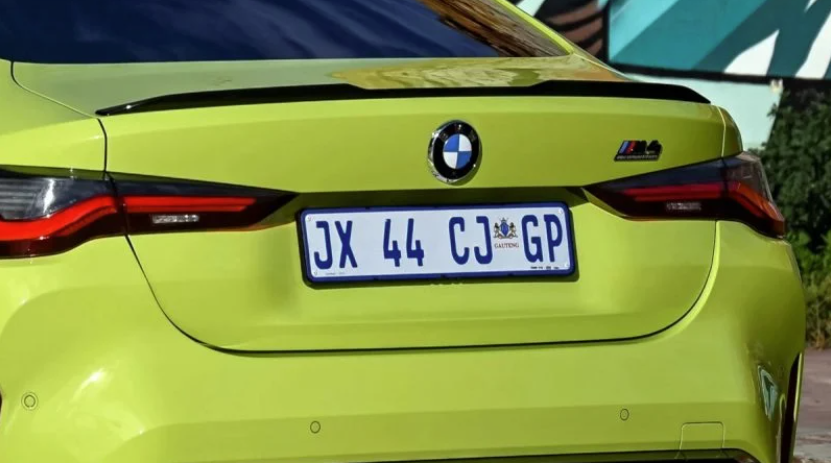
The so-called number plate cartel is a group of companies that manufacture vehicle licence plates in South Africa and are being prosecuted for allegedly engaging in price-fixing and customer exploitation.
The Competition Commission is investigating number plate blanks manufacturers Uniplate, Unique Number Plate, and New Number Plate Requisites (NNPR).
According to the investigation, the three companies formed a cartel and colluded to fix prices on number plate blanks supplied to customers across South Africa.
The commission noted that they allegedly entered into an agreement, or engaged in a concerted practice, to fix prices and trading conditions for the supply of number plate blanks to embossers, among others.
It added that the practice dates back to at least June 2023, which, if the allegations are true, means South African motorists have been paying inflated prices for almost three years.
According to the report, drivers in KwaZulu-Natal were worse affected than the rest of the country, as the cartel isolated and targeted the province.
“The companies further agreed to impose a surcharge of R10 on all number plate blanks sold in KwaZulu-Natal,” it said.
Of the three accused companies, Uniplate is considered the biggest producer and distributor of licence plate blanks and embossing machines in South Africa.
Uniplate agreed on amounts and dates for price increases to be implemented, and coordinated when each of the companies would issue their price-increase letters.
All three companies were referred to the Competition Tribunal’s prosecutors over their alleged practices.
Should they be successfully convicted of contravening section 4(1)(b)(i) of the Competition Act, each will be liable to pay an administrative penalty, which could be as high as 10% of their respective turnovers.
AfriForum welcomes decision to put Gauteng number plate project on hold

AfriForum welcomes the Gauteng Department of Roads and Transport’s decision to put the province’s new number plate system on hold. This plan would have forced owners of the province’s more than 5 million registered vehicles to acquire new number plates. AfriForum has threatened legal action if the department proceeds with the implementation of the system before the prosecution of the so-called number plate cartel has been concluded.
According to media reports Kedibone Diale-Tlabela, the Member of the Executive Council (MEC) for Roads and Transport in Gauteng, made the announcement during her department’s 2026/2027 budget vote on Thursday. Diale-Tlabela claims that the number plate project has been put on hold after “several system limitations” were identified during the pilot project that require “further technical improvements.” She further said that the project will only resume once the limitations have been addressed and the necessary national legislative and regulatory processes have been finalised.
This sudden U-turn in the implementation of the number plate project comes after it was launched in June 2025 when the new number plates were fitted to 300 of the province’s fleet vehicles. Initially, the project was supposed to expand to all private vehicles in the province within six months.
However, towards the end of May this year, in a lawyer’s letter to the department AfriForum insisted that the project be put on hold pending the Competition Tribunal’s prosecution of three number plate manufacturers. The Competition Commission announced in March of this year that a cartel of blank number plate manufacturers has been active in the province since at least June 2023 and has been illegally fixing prices. The commission’s findings on price fixing between manufacturers have since been referred to the tribunal for prosecution.
In its letter to the department and Lesufi, AfriForum warned that it would bring a court application against the department if the demand to stop the project was not met.
Louis Boshoff, AfriForum Spokesperson, welcomes the department’s decision to halt the implementation of the project. He warns that the department would put vehicle owners in an unavoidable pinch with the implementation of the new number plates. “AfriForum has repeatedly pointed out the risks of the situation. Forcing vehicle owners to pay for new number plates, while the so-called number plate cartel would be lining their pockets and prosecution of those involved is still ongoing, would simply be irresponsible. As long as the case is still pending, there can be no certainty that new number plates will be provided at fair prices,” explains Boshoff.
Fight to stop South Africa’s new traffic fine laws from launching this week
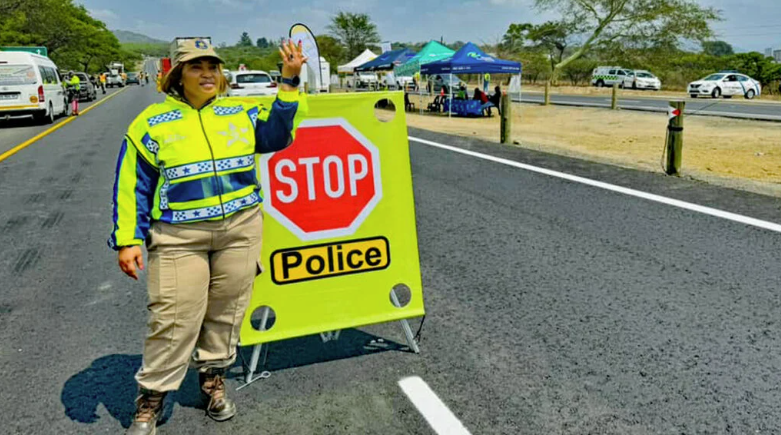
The South African Local Government Association (SALGA) has filed an urgent High Court application to stop the launch of the country’s new traffic fine laws later this week.
This is in regards to the national rollout of the Administrative Adjudication of Road Traffic Offences (AARTO) Act, which is scheduled to commence on Wednesday, 1 July 2026.
SALGA seeks to block implementation due to concerns about AARTO’s funding model. It highlighted that many municipalities in South Africa are already operating in an increasingly constrained fiscal environment.
“SALGA has approached the North Gauteng High Court in Pretoria on an urgent basis to interdict the implementation of Phase 2 of AARTO,” it said.
“The escalation follows repeated engagements with the Department of Transport and the Minister of Transport regarding the unresolved financial implications of AARTO on municipalities.”
It said its case at the Pretoria High Court is expected to be heard tomorrow (Tuesday, 30 June 2026).
The association said that while it has consistently supported AARTO’s objectives, it has also raised serious concerns about its funding model and its regulations.
“The current AARTO regulations, published in October 2025, impose financial burdens on municipalities without providing a sustainable funding model that will ensure effective implementation.”
It explained that this would put the financial stability of municipalities at risk while diverting limited resources from services to cover the cost of the AARTO rollout.
SALGA said it had engaged with the Department of Transport since 2022. It highlighted its concerns over the funding model in November 2025.
“The proposed financial arrangements would result in municipalities spending more than they can earn, effectively forcing local government to subsidise the implementation of AARTO,” it said.
It added that this would come at the expense of other critical services and that, despite its warnings, the department had failed to provide meaningful consultation or practical solutions.
This month, SALGA resolved to pursue an intergovernmental dispute under the Intergovernmental Relations Framework Act (IGRFA).
“The dispute centres on the timing and financial model of AARTO implementation, and the need for municipalities to have meaningful input into the regulations,” it said.
“Therefore, SALGA’s approach to the Court seeks to ensure that Phase 2 of AARTO is interdicted until the IGRFA dispute is properly ventilated and resolved.”
What will change under AARTO
AARTO was first introduced all the way back in 1998, though the first two municipalities to adopt the system – Johannesburg and Pretoria – only made the switch in 2008 as part of a pilot programme.
Starting on 1 July, AARTO will be implemented nationwide, starting with the country’s 62 largest municipalities.
The remaining 151 municipalities will be added to the system between October and December 2026.
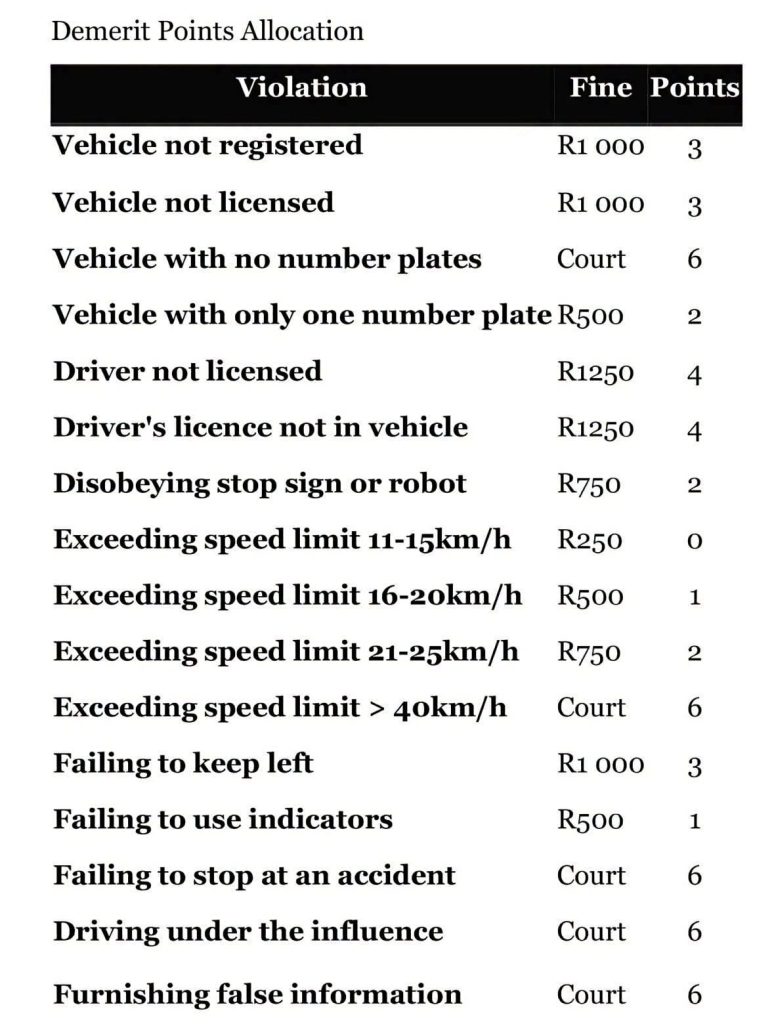
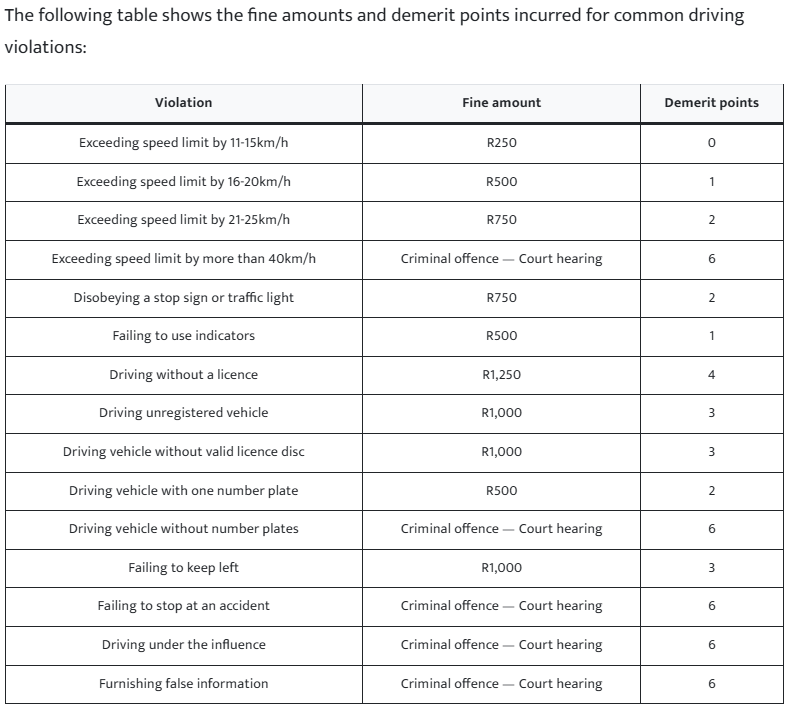
Later on, a new driver’s licence demerit point system will be introduced, where motorists will receive points on their licence for different traffic violations.
The “Phase 2” that SALGA is referring to is the rollout of AARTO across South Africa’s municipalities, not the demerit system.
Crucially, AARTO will fundamentally change how traffic fines are issued in South Africa. Historically, traffic fines were handled under the Criminal Procedure Act (CPA).
Under the new system, traffic violations will be split into two categories, as minor cases will be treated as “infringements” while more severe actions will be classified as “offences.”
Infringements will be handled administratively by the Road Traffic Infringement Agency (RTIA), while offences will continue to be dealt with via the legal system.
Once the demerit system is implemented, drivers will receive a varying number of points on their licence, depending on the severity of the violation.
Minor infractions like exceeding the speed limit by 20km/h will incur one point, while serious actions like drunk driving will incur up to six points.
Once a driver receives 15 or more points, their licence will be suspended for a minimum of three months, during which time they cannot drive a car. Doing so will be considered a criminal offence.
If a person’s licence is suspended three times, it will be cancelled and they will be required to retake their learner’s and driver’s tests once the suspension period is over.
Additionally, the Department of Transport will provide a “driver rehabilitation programme” for frequent offenders whose licences have been cancelled.
Completing the programme will allow these individuals to reduce their suspension period.
Demerit points expire at a rate of one every three months, meaning it would take a series of infringements over a short period for a person’s licence to be suspended.
System limitations stall Gauteng's new number plate project
JOHANNESBURG – Two years later and there’s no sign of the much-publicised new number plates for vehicles in Gauteng.
Authorities said this is a result of the high-tech number plate pilot project hitting a stumbling block, further delaying the rollout.
This was according to MEC for Roads and Transport Kedibone Diale-Tlabela, who touched on the project on Thursday when she tabled the 2026/2027 provincial Budget Vote.
According to Diale-Tlabela, during the 2023/2024 financial year, the department developed a prototype for the new number plate system.
She said between the 2024/25 and 2025/26 financial years, they piloted the new system using 300 government vehicles.
That pilot process concluded in March 2026. But months later, there is a delay.
“The pilot process identified several system limitations requiring further technical improvements.”
In 2025, during the launch, Gauteng Premier Panyaza Lesufi, alongside Diale-Tlabela, assured the public that the number plates, which had technological enhancements, were designed to combat vehicle theft, fraud, and cloning, while improving road safety, and offered a glimmer of hope. Fast forward to 2026, those number plates ceased to exist.
At the time, they revealed that the system would be piloted using g-Fleet vehicles affixed with the technologically advanced new number plates as part of the six-month stress testing project, before the provincial rollout.
Now, Diale-Tlabela said the broader rollout will only resume once these limitations have been addressed and the necessary national legislative and regulatory processes have been finalised by the relevant executive and legislative authorities.
New speed cameras to watch out for in South Africa
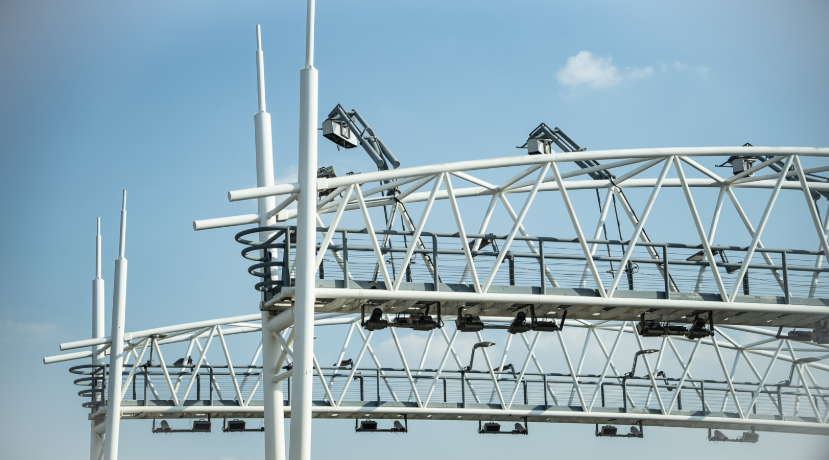
Transport minister Barbara Creecy has reiterated plans by the Gauteng Provincial Government (GPG) to install average speed over distance (ASOD) cameras on e-toll gantries.
Many South African motorists are familiar with fixed speed cameras and radar guns used by traffic officers to catch speedsters.
Traffic officers often position themselves in places where they would be difficult to spot for less observant motorists.
However, apps like Google Maps and Waze also allow users to report cameras and traffic officials, making it more difficult to catch speeding drivers unawares.
Fines from ASOD cameras are not as easy to avoid. These systems feature two fixed cameras installed at predetermined distances from one another, usually on poles suspended over the road.
The cameras capture the number plates of vehicles entering and exiting the ASOD zone. By recording the time travelled between the entry and exit points, the system can calculate a vehicle’s average speed.
If the speed was above the average speed possible while keeping to the relevant limits, the Road Traffic Management Corporation will issue a fine to the registered vehicle owner. m
To date, ASOD cameras have primarily been used on sections of the N1 between Pretoria and Polokwane, the N3 between Johannesburg and Durban, and certain roads in the Western Cape.
Responding to Parliamentary questions in April 2026, Creecy said the South African National Roads Agency (SANRAL) was working with the GPG on repurposing the gantries.
“SANRAL is working with the GPG to repurpose the e-toll gantries for law enforcement and road safety initiatives, such as measuring average vehicle speed,” the minister said.
The minister said the GPG was also looking to deploy high-speed weight-in-motion technology on the gantry network and use existing satellite infrastructure to provide motor vehicle licensing services.
With ASOD cameras, motorists must strictly adhere to the speed limit within the ASOD zone to avoid fines, or drastically reduce their speed some distance before the exit camera.
As 43 e-toll gantries are currently installed on major freeways in Gauteng, including the N1, N3, N12, and R21, the provincial government’s plans could see ASOD cameras installed on these routes as well.
Cape Town speed cameras go high-tech
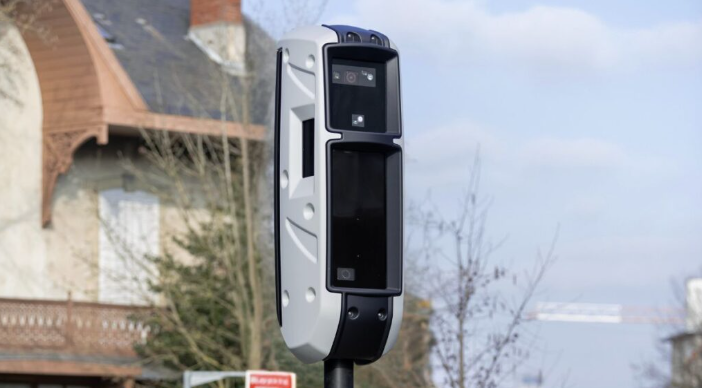
The City of Cape Town has recently also expanded its speed limit enforcement with smart speed limit signs and cameras along several routes.
Smart speed limit signs display motorists’ speed and urge them to slow down if they exceed the limit. To test their effectiveness, the metro aims to install smart cameras roughly 100 metres past the signs.
Cape Town MMC for urban mobility, Roberto Quintas, proposed the rollout of smart cameras. He noted that the speed limit signs had helped reduce average speeds where they were installed.
“There are some along High Level Road as well as Ocean View Drive, and then also along the Main Road area in Green Point,” Quintas said.
“The data we have been able to see so far is that, in general, where deployed, the average distance over time speeding of motorists has decreased.”
Quintas added he would recommend to Cape Town MMC, for safety and security, JP Smith, that speed traps be installed a short distance after the signs.
“Just to see if people do accelerate after they’ve slowed down. We can catch them there,” Quintas explained.
The City of Cape Town also intends to roll out artificial intelligence-powered cameras to spot motorists using their phones or not wearing seatbelts while driving.
The metro has tested the system and issued fines to motorists. However, the fines were challenged and overturned.
South African law dictates that cameras used for enforcing road laws must meet strict technical requirements and be calibrated properly.
The metro is now seeking permission from the National Director of Public Prosecutions to implement the system permanently.
Can number plate scanning really stop crime? Here’s what global data shows
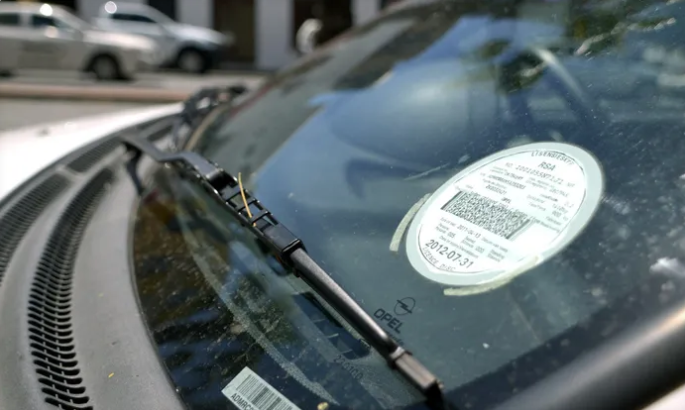
South Africa is increasingly turning to technology in a bid to combat crime, identification, payments – and now number plate scanning technology – as the Road Traffic Management Corporation (RTMC) is looking towards a disc-less system based on electronic verification.
Simon Zwane, spokesperson for the Road Traffic Management Corporation (RTMC), confirmed that the change forms part of a broader policy direction adopted by the organisation.
He stated that physical licence discs will continue to be used for now, until detailed implementation plans and official rollout announcements are made.
“This is a policy direction that the RTMC has adopted. Physical [licence discs] will continue until detailed announcements are made. Fraud and corruption investigations will continue,” Zwane told IOL.
The proposed system would rely on number plate recognition technology and digital databases to verify vehicle registration status, reducing the need for physical discs displayed on windscreens.
But where is this technology used and how would it work?
Number plate scanning systems are becoming more common on highways, in suburbs, at shopping centres and even at estate entrances.
Known internationally as Automatic Number Plate Recognition (ANPR), the technology allows cameras to identify and track vehicle registration plates in real time.
The tech leaves people divided, as supporters say it helps police recover stolen vehicles, trace suspects and monitor traffic violations, and critics warn about privacy concerns, misuse of surveillance and questions over whether the systems are truly effective.
How number plate scanning technology works
ANPR systems use high-speed cameras combined with software capable of automatically reading vehicle registration plates.
The cameras capture images of passing vehicles, after which optical character recognition software converts the plate image into text.
The system can then instantly compare the registration number against databases containing information on stolen vehicles, outstanding warrants, unpaid fines or vehicles linked to crimes.
Modern systems can operate day and night and are often mounted on traffic lights, highway gantries, police vehicles, toll roads, shopping centre entrances and residential security checkpoints.
Some advanced systems can also identify vehicle make, model, colour and travel direction.
Private security companies often use interconnected camera networks that alert armed response teams when flagged vehicles enter certain areas.
Which countries use the technology?
ANPR technology is widely used worldwide, particularly in countries with extensive surveillance and traffic management systems.
United Kingdom
The United Kingdom has one of the world’s largest ANPR networks. Police there reportedly process millions of plate reads daily through a nationwide system linked to law enforcement databases.
British authorities say the technology has assisted in tackling organised crime, vehicle theft and terrorism investigations.
However, civil liberties groups have raised concerns about mass surveillance and the storage of motorists’ movement data.
United States
In the United States, ANPR systems are used by police departments, border agencies and private companies.
Cities such as New York, Los Angeles and Chicago use the systems for crime detection and traffic enforcement, while some states use them to identify uninsured vehicles or collect toll payments.
The technology has also become controversial in America due to concerns over privacy, data retention and the sharing of information between police and private entities.
China
China has integrated number plate recognition into its broader nationwide surveillance network.
The technology is linked to traffic monitoring, law enforcement and smart city systems. In some cities, authorities can track vehicle movement in real time across large urban areas.
China’s extensive use of surveillance technology has sparked international debate over state monitoring and personal privacy.
Australia
Australian police use ANPR systems to identify unregistered vehicles, enforce road laws and assist criminal investigations.
Several states also use mobile camera systems mounted on patrol vehicles that scan plates while officers drive.
United Arab Emirates
The UAE uses advanced ANPR systems as part of its smart policing and traffic management infrastructure.
Dubai, in particular, has integrated the technology into parking systems, tolling networks and law enforcement operations.
Does the technology work?
Supporters argue that ANPR technology has improved policing efficiency and vehicle recovery rates.
In many countries, authorities report success in recovering stolen vehicles, identifying suspects linked to crimes, tracking getaway vehicles, locating missing persons and detecting cloned number plates.
The biggest advantage is speed so instead of officers manually checking licence plates, automated systems can scan thousands of vehicles per hour.
Private security companies in South Africa have also credited plate recognition systems with helping to track hijacked vehicles and identify cars linked to house robberies or kidnappings.
However, the technology is not foolproof.
One major issue is false positives, where innocent motorists are incorrectly flagged due to misread plates or outdated databases.
Constant vehicle tracking could create detailed records of people’s movements without their consent.
There are also concerns over how long data is stored, who has access to it, potential abuse by authorities or hackers and lack of regulation in some countries.
In addition, criminals have adapted by using cloned plates, stolen registration numbers or physically altering number plates to avoid detection.
The effectiveness of ANPR systems depends on accurate databases, strong regulation, proper oversight, fast police response times and reliable camera infrastructure.

Die onwettige en gekloonde nommerplaatmark in Suid-Afrika groei teen ’n kommerwekkende tempo en word as ’n bedreiging vir nasionale veiligheid beskou. Daar word beraam dat meer as die helfte van die nagenoeg 250 000 nommerplate wat maandeliks gemaak word, nie wettig is nie.

Investigators analysed more than a million records dating back to 2000 to determine how many traffic register numbers (TRNs) were fraudulently issued to foreign nationals using falsified documents and expired visas.

DA calls for SABS to urgently implement corrective findings against corruption and maladministration By Toby Chance MP - DA Spokesperson on Trade, Industry & Competition Date: 26 March 2026 Release: immediate
A joint investigation by the Department of Home Affairs and the Road Traffic Management Corporation (RTMC) has revealed the extent of corruption that has allowed scores of foreign nationals to illegally purchase vehicles and obtain driver’s licences in South Africa.
Investigators analysed more than a million records dating back to 2000 to determine how many traffic register numbers (TRNs) were fraudulently issued to foreign nationals using falsified documents and expired visas.
The investigation found that almost 90% of vehicles purchased or registered by foreign nationals could not be matched to any valid immigration record in the Department of Home Affairs database.
The multi-agency probe was initially sparked in 2019 when officials noticed a significant and unusual spike in applications for traffic register numbers in Barkly West, a small town in the Northern Cape.
Multiple applicants were registering vehicles using the same physical address, while duplicate copies of the same supporting documents were being submitted at licensing offices in Cape Town just 20 minutes later.
All foreign nationals are legally required to apply for a TRN to purchase, register or licence a motor vehicle in South Africa. However, Home Affairs noted a dramatic and suspicious increase in vehicle registrations by foreign nationals between 2010 and 2023.
Constance Moitse, Deputy Director-General for Counter Corruption, detailed the scale of the fraud during a joint briefing to Parliament’s Home Affairs and Transport committees.
“We have shown that there are syndicates working here,” Moitse told lawmakers. “We have shown the officers who are prevalent in doing this. We exactly know the officials that are involved in this.”
According to the data presented, many of the vehicles registered using illegal documentation, including public transport buses and heavy-duty commercial trucks, were linked to Zimbabwean nationals.
Meanwhile, Ethiopian nationals were found to be the most implicated in obtaining heavy vehicles, including buses and trucks, by using unverified asylum seeker permits.
The forensic investigation also uncovered numerous vehicles registered on national databases as belonging to South African citizens when, in reality, the actual owners were primarily from Nigeria, India, China and Somalia.
The investigation found that the majority of these fraudulent registrations were processed through compromised municipal traffic offices across Gauteng, KwaZulu-Natal and the Western Cape.
Scourge of illegal number plates

John Maytham speaks to Jan De Lange from the License Plate Association of South Africa, LAZA, to unpack how the system is being exploited, and what impact illegal embossing and fake plates are having on crime fighting and road safety. Presenter John Maytham is an actor and author-turned-talk radio veteran and seasoned journalist. His show serves a round-up of local and international news coupled with the latest in business, sport, traffic and weather. The host’s eclectic interests mean the program often surprises the audience with intriguing book reviews and inspiring interviews profiling artists. A daily highlight is Rapid Fire, just after 5:30pm. CapeTalk fans call in, to stump the presenter with their general knowledge questions. Another firm favourite is the humorous Thursday crossing with award-winning journalist Rebecca Davis, called “Plan B”. Thank you for listening to a podcast from Afternoon Drive with John Maytham Listen live on Primedia+ weekdays from 15:00 and 18:00 (SA Time) to Afternoon Drive with John Maytham broadcast on CapeTalk
KZN Transport Department Warns Against Fake Personalised Number Plates
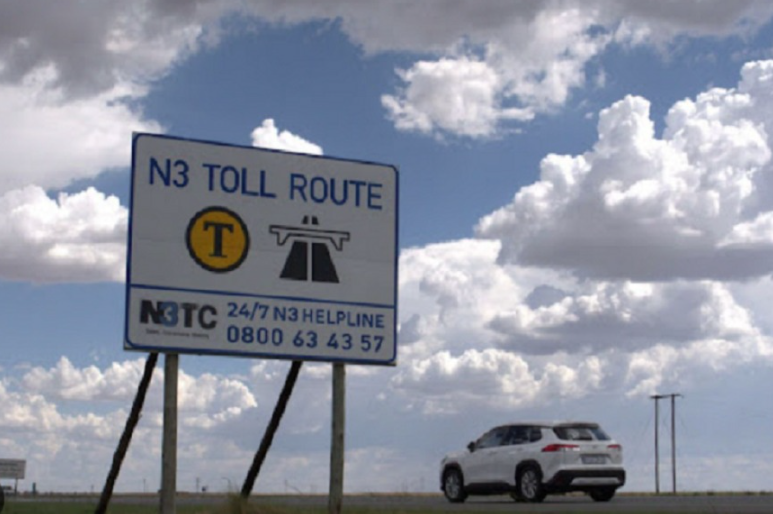
Motorists who fall for these illegal offers may end up with number plates that get cancelled, leaving them unable to drive legally. The warning comes as the province cracks down on a growing scam that targets people wanting unique plates for their cars.
What Personalised Number Plates Are and How to Get Them Legally
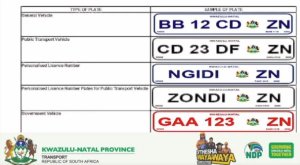
Personalised number plates, also known as vanity plates, allow vehicle owners to choose a special combination of letters and numbers for their cars. In South Africa, these plates must follow strict rules set by the Department of Transport. They can include letters and numbers but must not be offensive, and they cannot exceed seven characters excluding the provincial mark.
To get a personalised plate legally, motorists must apply through the official channels at their local traffic department or licensing centre. The application goes through a process where the Member of the Executive Council (MEC) for Transport approves it, provided the chosen combination is available and meets all requirements. The plate must also display the provincial logo and be made to the same standards as regular number plates.
The official cost for these plates is set by the department, and the process ensures that no two vehicles have the same plate. This system helps with identification and law enforcement on the roads.
The Growing Problem of Fake and Illegal Plates
The KwaZulu-Natal Department of Transport has uncovered cases where people are selling personalised number plates illegally on social media platforms at prices up to four times higher than the official rate. These sellers often promise quick and easy custom plates without going through the proper application process.
Many buyers are attracted by the idea of getting a unique plate fast and without the usual paperwork. However, these plates are not registered properly and can be cancelled by the department at any time. When that happens, the vehicle owner is left with a plate that is no longer valid, which can lead to fines, points on their licence, or even having their vehicle impounded.
The scam not only costs motorists money but also creates problems for road safety and policing. Fake plates make it harder for authorities to track vehicles involved in accidents or crimes. In some cases, criminals use cloned or fake plates to avoid detection while committing offences.
Risks for Motorists Who Buy Fake Plates
Motorists who purchase these illegal personalised plates face several serious risks. The most immediate one is that the plates can be cancelled without notice, leaving the owner unable to drive the vehicle legally until new plates are obtained through the correct channels.
There are also financial implications. Besides losing the money paid to the illegal seller, vehicle owners may have to pay additional fees to get new legal plates. In some cases, they could face fines from traffic officers who spot the invalid plates during routine checks.
More seriously, if a vehicle with a fake plate is involved in an accident or a crime, the owner could be drawn into investigations even if they had nothing to do with the incident. This creates unnecessary stress and legal complications for innocent drivers who simply wanted a nice-looking number plate.
The department has made it clear that it will not hesitate to cancel any plates found to have been sold or obtained illegally. This firm stance is meant to protect the integrity of the number plate system and discourage people from participating in these scams.
What Motorists Should Do to Stay Safe
The KwaZulu-Natal Department of Transport advises all vehicle owners to only deal with official licensing centres when applying for personalised number plates. Anyone who has already bought a plate from an unofficial source should check with their local traffic department to confirm whether it is valid.
If the plate is found to be illegal, the owner will need to apply for a new one through the proper process. It is better to act quickly rather than wait for problems to arise during a traffic stop or when renewing a vehicle licence.
Drivers are also encouraged to report any suspicious advertisements for cheap personalised plates on social media. Reporting these scams helps the department track down the people behind them and protect other motorists from falling victim.
For those who want a personalised plate, the official route may take a bit longer, but it guarantees that the plate is legal and will not cause future headaches. The department continues to process applications and encourages patience and compliance with the rules.
Broader Efforts to Fight Number Plate Fraud
The warning about fake personalised plates forms part of wider efforts by the KwaZulu-Natal Department of Transport to clean up irregularities in the vehicle registration system. Cloned number plates and other forms of fraud have become a growing concern across the country, as criminals use them to commit crimes while avoiding detection.
By cracking down on illegal sales of vanity plates, the department aims to reduce opportunities for fraud and improve road safety. Proper number plates help police and traffic officers identify vehicles quickly and accurately, which is essential for enforcing traffic laws and investigating incidents.
Motorists are reminded that number plates are not just decorative items but important tools for identification and accountability on the roads. Using fake or illegal ones undermines this system and puts everyone at risk.
Advice for Vehicle Owners in KwaZulu-Natal
Vehicle owners in KwaZulu-Natal are urged to stay informed about the rules around number plates and to avoid any shortcuts that could lead to trouble. If someone is offering a personalised plate at a suspiciously low price or promising instant results without paperwork, it is likely a scam.
The best way to get a legal personalised plate is to visit an official licensing centre and follow the application process. This ensures compliance with the law and peace of mind for the vehicle owner.
As the department continues its crackdown on illegal plates, more motorists may find themselves facing consequences if they have bought fake ones. Acting now to regularise any questionable plates can save time, money, and stress in the long run.
The KwaZulu-Natal Department of Transport remains committed to protecting motorists and maintaining the integrity of the province’s vehicle registration system. By heeding the warning against fake personalised number plates, drivers can avoid unnecessary problems and contribute to safer roads for everyone.
Number plate cartel allegedly taking motorists for a ride in South Africa
A group of companies that manufacture vehicle licence plates in South Africa are being prosecuted for allegedly engaging in price fixing and customer exploitation.
The Competition Commission recently noted that the three accused companies – Uniplate, Unique Number Plate, and New Number Plate Requisites (NNPR) – manufacturer number plate blanks.
This refers to unfinished and unprinted vehicle registration plates that will be used to create official licence plates.
These plates are typically made from materials like Perspex or aluminium.
According to the investigation, the three companies formed a cartel and colluded to fix prices on number plate blanks supplied to customers across South Africa.
“They are alleged to have entered into an agreement and/or engaged in a concerted practice to fix prices and trading conditions for the supply of number plate blanks to, among others, embossers,” said the commission.
This practice dates back to at least June 2023, meaning that, if the allegations are true, motorists have been paying artificially inflated prices for almost three years.
The report further claims that drivers in KwaZulu-Natal were worse-affected than others, as the cartel isolated and specifically targeted the province.
“The companies further agreed to impose a surcharge of R10 on all number plate blanks sold in KwaZulu-Natal,” it said.
One of the three companies, Uniplate, is the considered the biggest producer and distributor of licence plate blanks and embossing machines in South Africa.
The company agreed on the amounts and dates for price increases, and coordinated when each would issue price increase letters.
All three companies are now being referred to prosecutors in the Competition Tribunal over these alleged practices.
If they are successfully convicted of contravening section 4(1)(b)(i) of the Competition Act, they will be liable to pay an administrative penalty of up to 10% of their respective turnover.
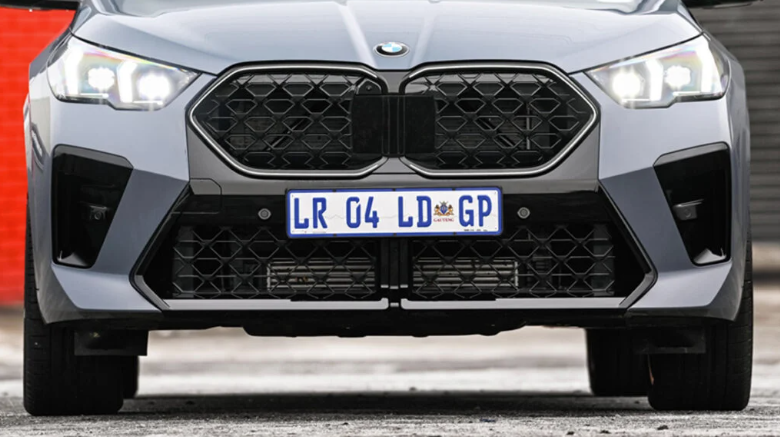
Not the first time Uniplate has been before the Competition Tribunal
In 2019, Uniplate was fined R16 million for a similar yet unrelated matter, as the Competition Tribunal determined the company was exploiting its position as a monopoly.
The commission noted that Uniplate was using long-term exclusive agreements to contractually force its customers who bought its embossing machines to also purchase its number plate blanks.
“The exclusive supply agreements tied up customers for a period of 10 years and prevented the customer from switching to alternative suppliers of number plate blanks,” it said.
“Customers who were tied in these exclusive agreements by Uniplate were similarly unable to access competitor blanks even when competitors’ prices were lower.”
The commission stated at the time that it had received similar complaints about the dealings of NNPR as far back as 2012.

Place Gauteng’s new number plates on hold, demands AfriForum after Commission’s findings on price fixing
AfriForum today addressed a letter to the Gauteng MEC for Roads and Transport, Kedibone Diale-Tlabela, in which the organisation demands that the project to roll out new number plates be halted until the Competition Tribunal of South Africa has completed its prosecution of three number plate manufacturers. This follows the Competition Commission’s announcement last week that a cartel of blank number plate manufacturers had been illegally fixing prices since at least June 2023. The findings have been referred to the Competition Tribunal for prosecution.
AfriForum notes that the Gauteng government cannot expect motorists to purchase new number plates, while the Competition Commission’s findings indicate that number plates are being sold at prices above market value. The Gauteng government has been busy with a pilot project of the new number plates since June last year, which was set to be completed by the end of last year.
According to Louis Boshoff, Campaign Officer at AfriForum, the provincial government was unable to provide any indication when asked what the new number plates would cost and when vehicle owners would have to purchase them.
“On the one hand, the expectation is created that the new number plates will be rolled out at any moment, but on the other hand, we find out that we are paying exorbitant amounts for number plates,” says Boshoff. “If the so-called number plate cartel is already lining their pockets with high profits on the current number plates, then they are probably looking forward to making millions more through the mandatory sale of new plates in Gauteng.”
The Competition Commission stated that the dismantling of this cartel can benefit all vehicle owners and all other parties in the industry. Boshoff emphasises that this is already a major breakthrough.
“If the Commission’s findings are correct, then it means that the provincial government will be playing into the hands of a cartel by continuing with the rollout of new number plates. This is the last thing that they should do,” concludes Boshoff.
DA pressure secures action on number plate price fixing allegations

Issued by Mlondi Mdluli, MP – DA Deputy Spokesperson on Trade, Industry and Competition
21 Mar 2026 in News
The Democratic Alliance (DA) welcomes the decision by the Competition Commission of South Africa to refer its findings of price fixing in the number plate industry to the Competition Tribunal for a final order.
The firms involved, which manufacture blank number plates, are alleged to have set prices and trading conditions in the industry since June 2023. This pushes prices higher for South Africans, as well as undermining competition and stopping new businesses from emerging in the number plate industry. These companies also are alleged to have collaborated to add a R10 surcharge on all number plates sold in KwaZulu-Natal.
This referral is a direct result of sustained DA pressure and oversight. As early as July 2025, the DA formally engaged the Competition Commission to raise serious concerns about alleged anti-competitive behaviour in this sector. At the time, assurances were given that the matter would be concluded by December 2025. This deadline passed, and a further commitment was made for finalisation by the end of February 2026.
Despite these delays, the DA maintained consistent pressure to ensure that this matter did not fall through the cracks. We are therefore encouraged that the Commission has now acted and referred the case to the Tribunal.
This is a clear demonstration that persistent parliamentary oversight yields results, and it represents a tangible win in our ongoing fight to protect consumers, support fair competition, and promote inclusive economic participation.
However, this is not the end of the process.
We will continue to monitor proceedings at the Tribunal closely to ensure that this case is prosecuted with the urgency and seriousness it deserves. Those found guilty must face the full consequences of the law, including appropriate penalties, to deter future collusion and restore integrity in the market.
The DA remains committed to championing a competitive, transparent, and fair economy that works for all South Africans.
LICENSE PLATE ASSOCIATION OF SOUTH AFRICA (LAZA) OFFICIAL PRESS STATEMENT: Date: 20 March 2026 LAZA WELCOMES COMPETITION COMMISSION REFERRAL OF NUMBER PLATE BLANKS CARTEL TO TRIBUNAL:
The License Plate Association of South Africa (LAZA) welcomes the decisive action taken by the Competition Commission of South Africa in referring the alleged number plate blanks cartel case to the Competition Tribunal for prosecution.
This development marks a critical and long-overdue milestone in addressing systemic anti-competitive conduct within the number plate manufacturing sector — conduct which LAZA has consistently raised with regulators, lawmakers, and enforcement authorities over many years.
The referral of Uniplate Group (Pty) Ltd, New Number Plate Requisites (Pty) Ltd, and Unique Number Plate (Pty) Ltd for alleged price-fixing and coordinated trading practices confirms the very concerns repeatedly brought forward by LAZA and its members.
These practices have had a devastating impact on compliant embossers, artificially inflating input costs, restricting fair market participation, and undermining transformation within the industry.
Impact on the Industry
For over a decade, compliant embossers across South Africa have faced:
Artificially inflated pricing structures for blank plates
Restricted access to fair supply channels
Unequal competitive conditions created by coordinated conduct
Financial strain on SABS-compliant businesses, many of whom operate under strict regulatory costs
LAZA believes that the dismantling of this cartel is not only necessary, but essential to restoring market integrity, affordability, and fair competition.
Call for Strong Enforcement
While LAZA welcomes this referral, we emphasize that this must be the beginning — not the end — of enforcement action.
We call for:
Swift adjudication by the Competition Tribunal
Maximum penalties where contraventions are proven
Further investigation into broader industry conduct, including supply chain abuses and misuse of regulatory marks
Immediate regulatory reform aligned with updated SANS 1116 standards
Protecting the Future of the Industry
This case reinforces the urgent need for:
A modernised, secure number plate system
Transparent and competitive manufacturing frameworks
Stronger enforcement at manufacturer level
Alignment with South Africa’s digital transformation and smart enforcement objectives
LAZA remains committed to working with government, regulators, and industry stakeholders to build a fair, compliant, and future-ready number plate ecosystem.
Conclusion
The Commission’s action sends a clear message:
Anti-competitive conduct will not be tolerated.
LAZA stands ready to support all efforts that restore fairness, protect compliant operators, and ensure that the South African number plate industry operates with integrity and accountability.
Issued by:
Jan De Lange
President — License Plate Association of South Africa
Number plate cartel allegedly fleecing people with cars in South Africa
An alleged cartel of companies that manufacture licence plates for vehicles sold across South Africa is being prosecuted for price fixing and exploiting small businesses and drivers nationwide.
“They are alleged to have entered into an agreement and/or engaged in a concerted practice to fix prices and trading conditions for the supply of number plate blanks to, among others, embossers,” it said.
According to the Competition Commission, the three accused companies, namely Uniplate, New Number Plate Requisites (NNPR), and Unique Number Plate, manufacture number plate blanks.
These are the unfinished and unprinted vehicle registration plates that will eventually become vehicle licence plates. They are often made from materials such as aluminium or perspex.
An investigation into the alleged cartel found that from at least June 2023, the companies colluded to fix prices of number plate blanks supplied to customers across South Africa.
If the allegations are true, it means South African drivers have been paying artificially inflated prices for approximately 3 years.
The impact would be even greater for drivers in KwaZulu-Natal, as the commission said that the province was isolated and specifically targeted.
“The companies further agreed to impose a surcharge of R10 on all number plate blanks sold in KwaZulu-Natal,” the commission said.
One of the companies, Uniplate, is considered the largest manufacturer and distributor of number plate blanks and embossing machines in the country.
It allegedly agreed on the amounts and dates for price increases and coordinated when each would issue price-increase letters.
Per the commission, the three companies are now being referred to prosecutors in the Competition Tribunal for the alleged wrongdoings.
If the companies are successfully convicted of contravening section 4(1)(b)(i) of the Competition Act, they will be liable to pay an administrative penalty of up to 10% of their respective turnover.
In 2019, Uniplate was fined R16 million for an unrelated but similar contravention, where it was found by the Competition Tribunal to have been exploiting its status as a monopoly.
At that time, the commission said Uniplate was using long-term exclusive agreements to contractually force its customers who bought its embossing machines to also purchase its number plate blanks.
“The exclusive supply agreements tied up customers for a period of 10 years and prevented the customer from switching to alternative suppliers of number plate blanks,” it said.
“Customers who were tied in these exclusive agreements by Uniplate were similarly unable to access competitor blanks even when competitors’ prices were lower.”
The Commission also said at the time that it had received a similar complaint about the dealings of NNPR in 2012.
Podcast including LAZA and Jan De Lange (Afrikaans)


South African motorists get fines for offences they didn’t commit
There’s no reason for new plates?
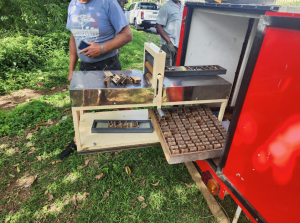
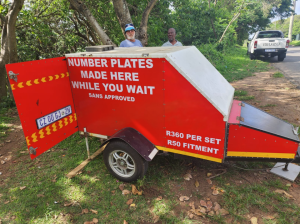
Dear Embossers, this is the latest trend, Manufactures supplying mobile units, pls be on the lookout, and report same to us immediately, best regards, Jan and LAZA team
KZN Transport MEC Duma warns against illegal sale of personalised licence plates

South Africa’s richest province goes quiet on new number plates


Laza, at the Pilot Plate launched
In June 2025, the Gauteng Provincial Government announced an all-new number plate system that was meant to be launched at the start of this year, which has since come and gone.
The province’s Premier, Panyaza Lesufi, did briefly touch on the subject during his State of the Province Address (Sopa) earlier this week.
While discussing the annual crime statistics, the premier noted his concern that 21 of the top 30 police stations with the highest reported carjackings are found in Gauteng.
“This confirms why the new number plate system launched by the provincial government must be executed with speed to assist us.”
“We also need technology that will work with law enforcement agencies so that we can stop cars crossing the borders of our province,” he added before moving on from the topic entirely.
The province’s new number plates were said to be high-tech, traceable, tamper-proof, and meant to feature forensic QR codes.
Combined, these factors were developed to combat vehicle theft, fraud, and cloning.
According to Lesufi, fraudulent number plates and undocumented cars are at the centre of crimes committed in Gauteng, especially kidnappings and robberies.
“Criminals use undocumented cars to commit crimes. We are now ready to launch tamper-proof new number plates,” he said during his Sopa address last year.
By the time he’d announced the province was ready to launch, it had already been years in the making.
Initial plans to introduce these smarter number plates were announced in 2023 for launch the same year, but were delayed until April 2024.
This date also passed, and by November 2024, the Gauteng Department of Transport exempted provincial government vehicles from complying with the provisions of the existing number plate policies.
That announcement would allow government vehicles to be fitted with the new plates for a limited pilot phase, which was meant to end in March last year and allow the full roll-out to the public.
Our sister publication MyBroadband contacted the Gauteng Department of Roads and Transport to inquire about the new plates, but has not received a response by the time of publication.
Still no new plates
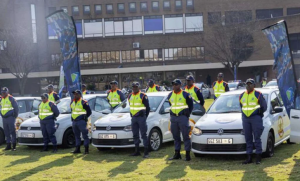
At the moment, Gauteng’s provincial government vehicles are still fitted with the pilot number plates, while word on the rollout to the public has gone quiet.
This is despite the Premier announcing that the pilot programme would only run for six months before the provincial rollout.
With the delayed pilot still underway, questions surrounding the costs associated with these new number plates remain unanswered.
In August last year, AfriForum asked the department what these new number plates would cost the province’s motorists.
In its response, the department noted that it would only know the full cost by the end of the pilot, whenever that may be.
The department noted that the cost of number plates comes down to manufacturing inputs, base material costs and the cost of new technology.
Additional costs for the smarter plates stem from the embossers who do the imprinting, as well as fees imposed by the South African Bureau of Standards (SABS).
“The pilot process will give a better understanding of the cost implications in relation to the new number plate cost to the end user,” added the department.
During the launch, however, Gauteng MEC for transport Kedibone Diale-Tlabela noted that the benefits of the new number plate system far outweighed the potential cost incurred on motorists.
“This is a great idea, please get your new number plates. Don’t ask me about the price, just go and do it,” she said.
Premier Lesufi said that Gauteng is fighting “fire with fire”, adding that the launch demonstrates a way for the province to win its fight against lawlessness to restore order.